
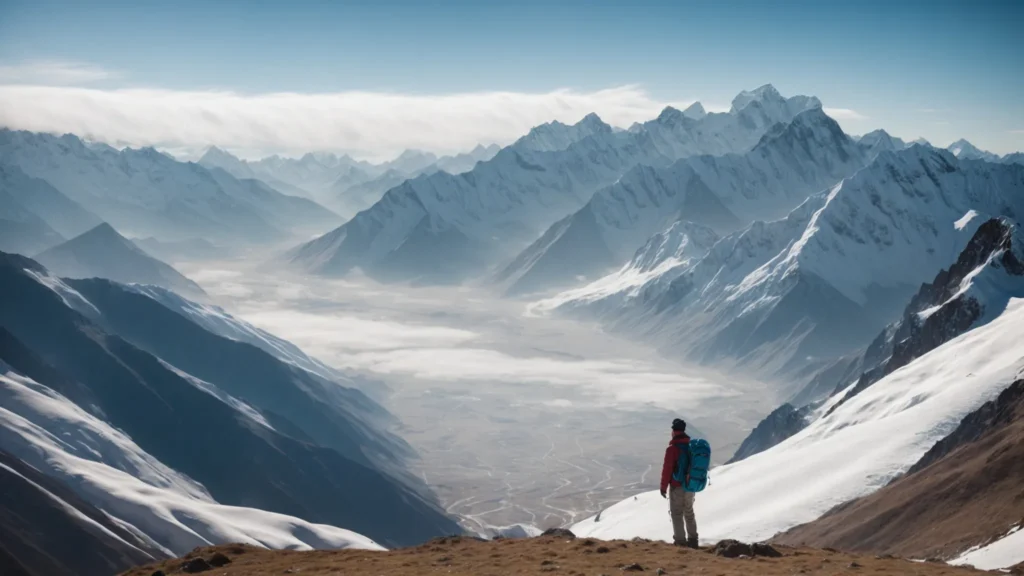
Embarking on the Three Passes Trek in the Himalayas is an experience that melds physical endurance with breathtaking vistas and cultural encounters. With treks leading through some of the highest passes in the world, preparation is not just about fitness but also about understanding the intricacies of the trek. A well-planned excursion can be the difference between a trip of a lifetime and an excursion fraught with challenges.
Understanding the logistics of the trek, the necessary gear, and health considerations are as critical as the journey itself. Below, we delve into these components, offering insights to help hikers navigate the remarkable yet demanding Three Passes Trek with confidence and safety.
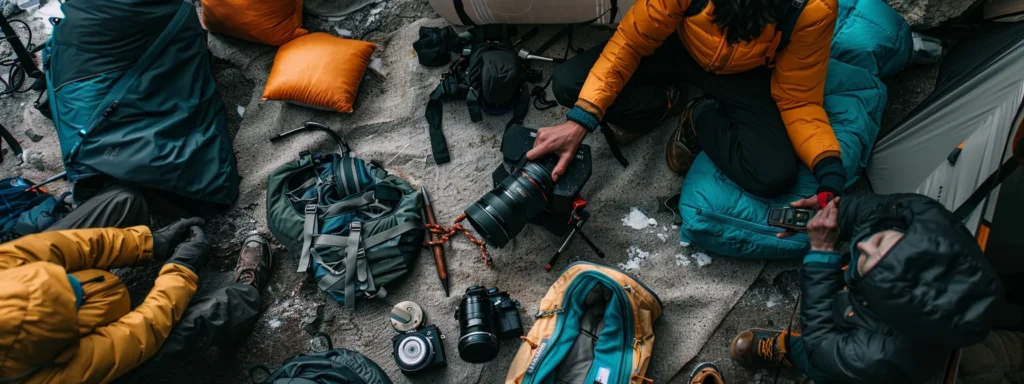
Strategic preparation for the Three Passes Trek is paramount for a successful expedition. Prospective trekkers should plan their trip at least six months in advance to ensure adequate fitness levels and logistical arrangements. This timeline allows for a thorough investigation of the trek’s requirements and necessary preparations.
Selecting the right season is crucial for optimal trekking conditions; the pre-monsoon months of April to May and the post-monsoon months of September to November offer the clearest skies and moderate temperatures. Furthermore, advanced booking of flights, accommodations, and local guide services can prevent last-minute hiccups that might derail your adventure.
It’s advisable to create a detailed itinerary that includes acclimatization days, potential side treks, and rest periods. Also, researching the Three Passes Trek cost in advance will help in budgeting for permits, food, and other miscellaneous expenses.
Proper gear and supplies are the backbone of any successful trekking experience, especially when tackling the challenging Himalayan terrain. Trekkers should prioritize quality over quantity, choosing gear that is durable, lightweight, and suited to extreme conditions.
Key gear includes a sturdy backpack, a four-season sleeping bag, waterproof and insulated clothing layers, trekking poles, and reliable hiking boots. Moreover, consider bringing navigational tools like a compass or GPS device, even if you’re trekking with a guide, as a backup in case of unexpected separations or detours.
Additionally, assure a sufficient supply of high-energy snacks and a personal first-aid kit tailored to your specific needs. Staying hydrated is essential, so include a water purifier or iodine tablets to treat water from local sources. Lastly, sun protection, including sunglasses and sunscreen, is a must to combat the intense UV exposure at high altitudes.
Altitude sickness can be a formidable obstacle for trekkers in the Himalayas. Recognizing its symptoms early – which include headaches, nausea, and dizziness – is critical for timely and effective management.
To prevent altitude sickness, trekkers should follow a gradual acclimatization process, ascending slowly to allow the body to adapt to lower oxygen levels. It’s generally recommended to ascend no more than 300-500 meters per day after reaching 3,000 meters. Additionally, staying well-hydrated, avoiding alcohol, and eating a high-carbohydrate diet can help in acclimatization.
Medications such as acetazolamide can be used for prevention and treatment of altitude sickness, but they should be discussed with a healthcare provider before the trek. If symptoms worsen or do not improve with rest, immediate descent is necessary to avoid life-threatening complications such as high altitude cerebral or pulmonary edema.
The Three Passes Trek is not only a physical journey but also a cultural adventure, offering trekkers a chance to immerse themselves in the local Sherpa culture. Villages along the trail provide enriching experiences and insight into the region’s unique traditions and way of life.
Guesthouses and teahouses en route offer traditional hospitality and cuisine that contributes to the local economy. Visitors can also participate in cultural ceremonies or visit monasteries and heritage sites to deepen their understanding of local customs. Such interactions encourage respectful tourism and help preserve the cultural heritage of the Himalayas.
Travelers are encouraged to practice ecotourism by minimizing their environmental impact, carrying out all non-biodegradable waste, and supporting conservation projects. By engaging with the community and environment positively, trekkers contribute to the sustainable development of the region, ensuring it remains unspoiled for future adventurers.
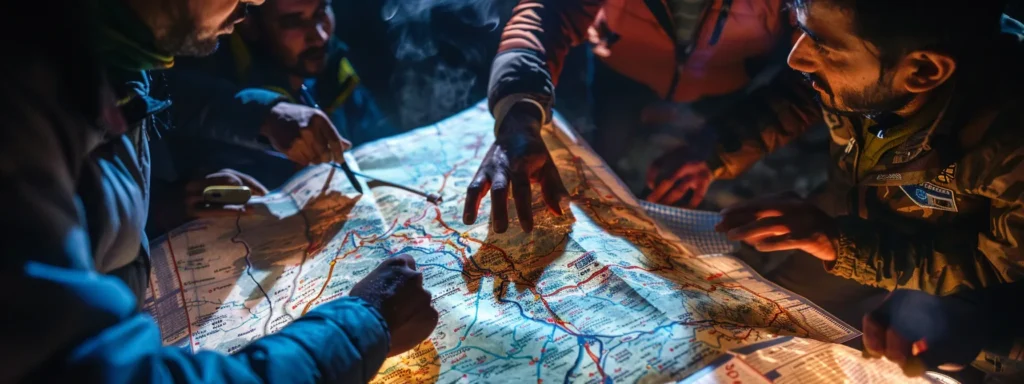
The unpredictable nature of the Himalayan environment necessitates robust safety measures and knowledge of emergency resources. Prior to the trek, individuals should undergo a medical check-up to assess their fitness levels and disclose any pre-existing conditions to their guide.
In the event of an emergency, communication devices such as satellite phones or emergency locators can be vital. Additionally, familiarizing oneself with the location of medical posts and understanding the procedures for helicopter evacuations can speed up response times. Travel insurance that covers emergency rescue and medical treatment is also a non-negotiable must-have for all trekkers.
Joining a guided trek could enhance one’s personal safety, as experienced guides are trained to navigate the terrain and respond to emergencies. Moreover, trekking in groups increases the likelihood of rapid assistance if difficulties arise. Always inform staff at your last lodging of your intended route and expected return time, in case a search is necessary.
Ultimately, the Three Passes Trek in the Himalayas promises an unforgettable adventure that requires meticulous preparation and an aware approach to health and safety. By planning effectively, choosing the right gear, understanding how to deal with altitude sickness, immersing oneself in local cultures, and taking necessary safety precautions, trekkers can fully engage with the beauty and challenges this world-renowned route presents. This informed and conscientious approach ensures the journey is as rewarding as the destination itself.